
Nabila White
Licensed Professional Counselor I Founder of White House Health Systems I Empowering Communities Through Compassionate Mental Health Care
Nabila White
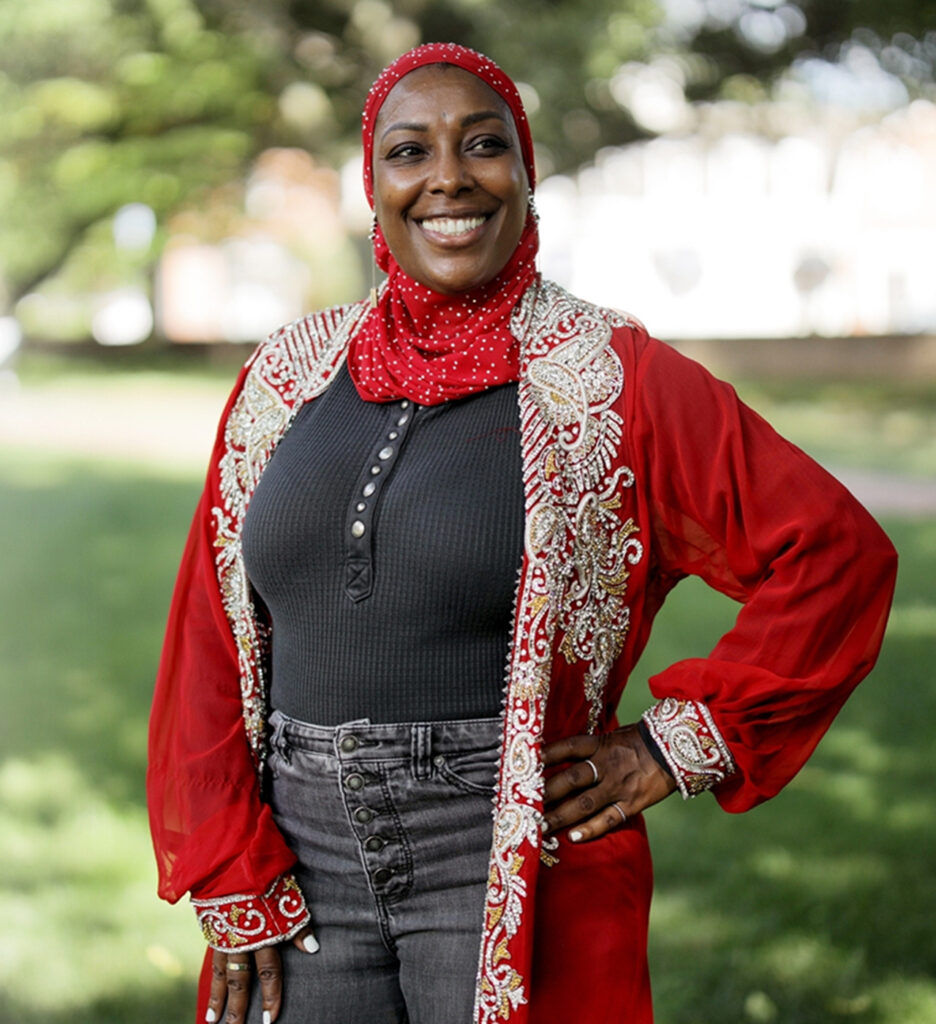

Meet Nabila
Dr. Nabila White is a licensed professional counselor, entrepreneur, mental health advocate, and the founder and president of White House Health Systems, an organization dedicated to providing compassionate and comprehensive behavioral health services to surrounding communities. Driven by a mission to empower individuals and families, particularly underserved populations, to break free from stigma and heal with dignity and purpose, she uses a personalized blend of therapeutic practices to help people navigate challenges, build healthier patterns, and create lasting change. It’s an approach informed by more than 18 years of experience across multiple healthcare sectors, where she specializes in areas including addiction recovery, relationship counseling, and gender identity. Over time, this same approach has helped grow White House Health Systems into one of the region’s most trusted behavioral health organizations.
In an effort to broaden access to mental health resources, Dr. White developed iCounsel, a digital community and mobile application tailored for urban communities. She is the host of the podcast Healed Over Heels, which explores emotional growth, healing, faith, and creating a journey that serves you, and she is preparing to release her debut book later this year. Dr. White will also be featured on the upcoming television series Women In Power.
Academically, she holds a Master’s degree in School Counseling from Cambridge College and an honorary doctorate degree from Rich University, and is currently pursuing a PhD in Psychology at Walden University. Outside of her clinical and corporate responsibilities, she is a devoted mother of two academically athletic daughters, and a lover of travel.
Through her platforms and daily practice, Dr. White is encouraging people to reject shame; prioritize healing, balance, and self-care; and embrace a life of deeper purpose. It’s more than a message she shares. It’s a philosophy she strives to live every day, both personally and professionally.
Areas of Expertise

Behavioral Health

Mental Health Advocacy

Community Wellness
Services
Individual therapy
One-on-one support tailored to the client’s unique needs, experiences, goals, and circumstances. Sessions may focus on concerns such as anxiety, depression, trauma, grief, relationship difficulties, life transitions, self-esteem, stress, emotional regulation, or challenges with daily functioning. Through a collaborative therapeutic relationship, clients can explore thoughts, emotions, behaviors, and patterns that may be affecting their overall well-being.
Group therapy
Brings individuals with similar concerns together under the guidance of a qualified mental health professional. Groups can provide opportunities to develop interpersonal skills, practice communication, receive feedback, build confidence, and recognize that others may be experiencing similar challenges. Group settings can also promote accountability, connection, and a sense of community.
Couples counseling
A structured and supportive environment for partners who want to strengthen their relationship, improve communication, resolve conflict, or work through significant relationship challenges. Counseling can benefit couples at various stages of their relationship, whether they are seeking help with ongoing difficulties or simply want to build a stronger foundation.
Stress management services
Helps individuals recognize, understand, and effectively respond to the pressures and demands of everyday life. While stress is a normal response to challenging circumstances, prolonged or unmanaged stress can interfere with emotional well-being, relationships, concentration, productivity, sleep, and overall quality of life.
Psychological assessments
Structured evaluations designed to provide a comprehensive understanding of an individual’s psychological functioning, cognitive abilities, emotional well-being, behavioral patterns, and areas of strength or concern. Assessments can provide information that supports diagnosis, treatment planning, educational planning, workplace considerations, or other appropriate clinical purposes.
Latest articles from my blog

How do adverse childhood experiences shape the way we think, feel, and build relationships as adults? Adverse childhood experiences

How do faith, family, and community influence the way we understand and discuss mental health? Our earliest experiences with family,

How does childhood trauma affect adult mental health, even when someone doesn’t remember what happened? Early experiences can influence how